
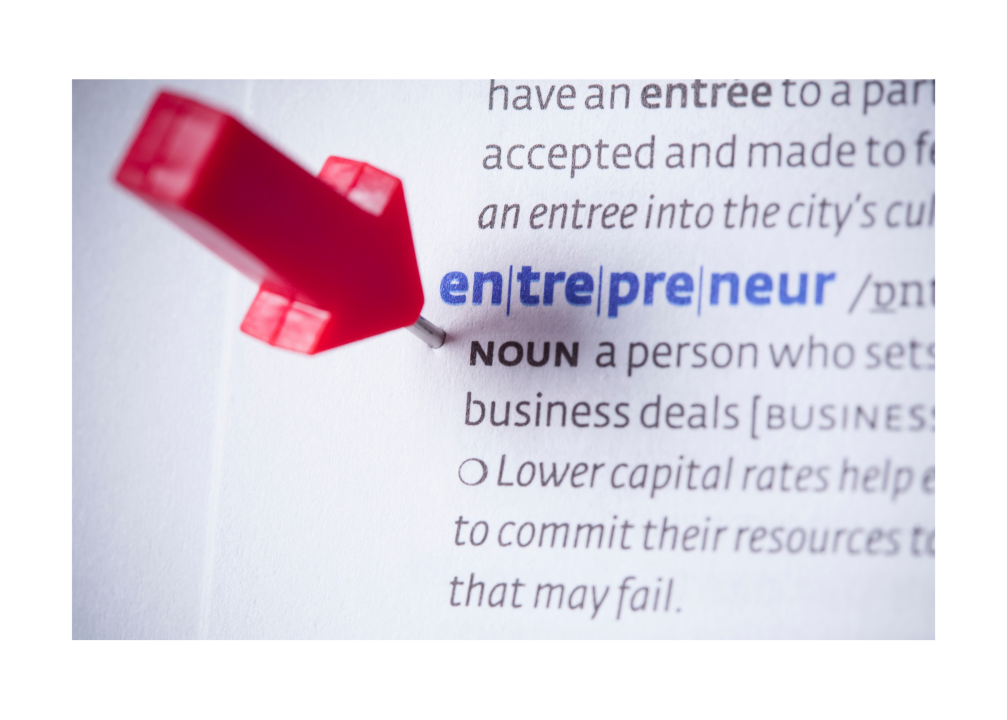
Entrepreneurism is THE survival tactic
As part of the development work I’ve been doing in building my coaching practice, I found myself quite introspective about the skills and characteristics that I’ve been able to bring to the different organizations I’ve contributed to throughout my career. I realized that I’ve been very fortunate. I had the opportunity to work directly with three of Canada’s most successful entrepreneurs. I thought about what made these people so successful and noticed some interesting similarities and patterns:
- Each of them had an astounding creative vision that kept them motivated.
- They all had indelible and passionate commitments to their initiatives that helped with the longevity they each enjoyed in their careers.
- They were always searching for the right path up the hill and would be courageous to keep trying until they got it right.
- They had enough foresight to know when they needed to bring in someone with different skillsets to complement their own.
I also thought about how businesses and organizations evolve. So much of today’s essentials focus on how we work effectively together, from acceptable decorum to inclusivity and diversity, to adapting to working during a pandemic. Entrepreneurs are also trying to be competitive within their markets in the middle of a pandemic. Helping their businesses survive is made even more challenging with public health restrictions and distributed workforces.
What makes this even more compelling is when you think about some of the real situations people have been juggling this year.
Consider the young mother operating her business from home and trying to close a deal while wrangling her enthusiastically, distractedly “bored” kids. What about the restaurant owner who has been running to keep up with a revolving door of public health and emergency measures restrictions, all while desperately fighting to keep 50% of his dine-in customers? (Well, at least this week, that’s still an option.) And think about the solopreneur who, while trying to keep business top of mind, is simultaneously worried sick about the declining physical, emotional and cognitive health ageing family members in Long Term Care. There have been no visits for over half a year now, and it’s not clear when they will be able to in the future. These aren’t even a handful of the kinds of situations that small business owners have been facing this year. These are extraordinary circumstances creating chronic stress, which is certainly not optimal for anyone. So what wisdom can today’s entrepreneurs take from those who came before them?
All three of the entrepreneurs I worked with were inventive, pioneering innovations that we can’t imagine living without today. Their long-term vision fueled their prosperity. They were fearless, confident, and convincing. And perhaps most important of all, they realized that they didn’t have to go it alone. A person can be entrepreneurial in their business ventures. Still, another can be quite successful as a catalyst, introducing and driving new approaches that can revolutionize the direction an organization is heading. In that situation, they might be masquerading as “innovators.” Each of them knew when they needed help from someone else to fill a gap. They realized that they weren’t going to accomplish what they wanted to unless they brought in the right people. As entrepreneurs, they were always processing, thinking with genius-level speed that was always re-engineering the businesses to grow and diversify. And believe it or not, entrepreneurs are not always motivated by the almighty dollar. Motivation can stem from something completely different: the calling or contribution they want to leave in the world.
Consider for a moment that entrepreneurs are essential to the economic health of any country, and they are the ones who are struggling the most during the pandemic. What they might not have in revenue, they make up for on a collective scale.
In Canada, small-businesses outnumber both medium and large size businesses. An article published recently in the Director Journal explained that “fully 97.9 per cent of Canadian businesses have fewer than 100 employees. Medium-sized companies, those with between 100 and 499 employees, account for 1.9 per cent of businesses, leaving just 0.2 per cent that are large, with more than 500 employees.”[1]
Entrepreneurs in small businesses have been harder hit during COVID-19, partly because they are generally more “labour than capital intensive” workplaces where risks of exposure to the virus are higher. Statistics Canada saw that businesses with less than 20 employees lost 30% of their workforce compared to employers with 500 or more employees who only lost 5%.[2] They are more susceptible to governments’ restrictions and regulations for openings and closures of different businesses and industries during the pandemic. Service, hospitality and recreation have been hit hard. While some pivoting allowed for restaurants to create online storefronts for meals and supplies, others have struggled. With the arrival of cooler weather, small businesses will need to be ready to pivot yet again. They will be particularly vulnerable if we see another full lockdown, and that’s a good thing since many businesses have debt exposure that puts them within a thread of unravelling.
The situation we’re in demands creativity and resiliency to help everyone stay afloat in rapidly changing models. Right now, all businesses are having to be a bit more entrepreneurial to get things done.
Despite the struggles that small businesses, start-ups, and entrepreneurs face getting their businesses off the ground and stable, it seems that there’s something attractive to bigger firms who want to emulate them. Perhaps large companies are craving the freedom and flexibility of smaller, more agile and entrepreneurial mindsets that aren’t mired in institutionalized processes and controls. Just look at how this phenomenon has been taking shape in accelerators, incubators, and innovation hubs all over the country. In one case, a big player in the financial services space decided to take advantage of their proximity to an innovation hub in their community: they carved off a team from their corporate offices and dropped them into the centre of one. These kinds of exchanges of information and ideas are positive and reciprocal. As the smaller business matures and needs help developing infrastructure that will support their growth, learning from the big guys will give them a ready-made playbook of protocols that they can overlay and apply.
Thinking like an entrepreneur means being open to new, sometimes radical ideas. Right now, many companies are shifting the way work gets done. Others are listening to their frontline workers who see and experience inefficiencies first hand. It’s precisely the kind of innovation that will shape and improve things. In short, it goes back to the whole notion of how valuable water cooler moments can be and supporting that kind of entrepreneurial spirit that gets people excited, thinking fast and moving forward.
But let’s not forget about the small businesses: the mom with the side hustle, the restauranteur who doesn’t want to lose his livelihood, and that solopreneur whose heart is held by a failing parent. They need to survive. At this moment, collectively, they are a more significant economic force within our economy than we may have realized, and they need our help to do it. The entrepreneurial spirit is live and clearly in us all!
[1] Director Journal (July/August 2020). Accelerated Change. Institute of Corporate Directors. www.icd.ca
[2] Ibid.
Related posts

Mattamy Homes Ride for Brain Health

Rediscovering Professionalism: Lessons from the Past for Today’s Leaders

Perfecting The Pitch: A Guide for Early-Stage Ventures

Unleashing the Secret Sauces of Entrepreneurship: Insights from the Kitchen to the Pitch

Talk yourself INTO Dreaming Big!

Recent comments